Subtotal $0.00


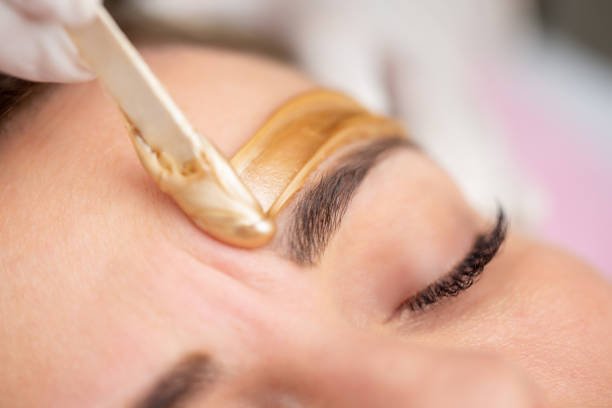
If you’ve ever booked a waxing appointment and then spent the whole day dreading it, you’re not alone. The good news is that waxing pain isn’t something you just have to accept. With the right preparation, the right techniques during your session, and the right aftercare, most clients at Floral De Beaute in Van Nuys, CA describe their waxing experience as quick, manageable, and far less painful than they expected. This guide breaks down exactly how to reduce pain during waxing appointments, using tips our estheticians share with clients every single day.
Quick Answer: To reduce pain during waxing, exfoliate 24 hours before your appointment, take an over-the-counter pain reliever 30-45 minutes beforehand, avoid caffeine, book your appointment during the second half of your menstrual cycle, breathe steadily during each pull, and moisturize afterward. Choosing an experienced esthetician who uses proper technique and quality wax also makes a significant difference.
Why Does Waxing Hurt in the First Place?
Waxing removes hair directly from the root, which means each strip pulls dozens of hair follicles at once. This triggers a quick nerve response that most people feel as a sharp sting. Several factors affect how intense that sting feels, including:
- Hair thickness and density — coarser, thicker hair tends to hurt more than fine hair
- Skin sensitivity — some areas, like the bikini line and underarms, have more nerve endings
- Hormones — sensitivity often increases right before or during menstruation
- Technique — the angle, speed, and skin tension used by the esthetician matter enormously
- Wax type — hard wax generally pulls less skin and causes less discomfort than soft wax, especially on sensitive areas
Understanding these factors is the first step toward reducing them. Let’s go through what you can actually control.
Before Your Appointment: Preparation Matters Most
The biggest opportunity to reduce waxing pain happens before you even sit down in the treatment room.
1. Let Your Hair Grow to the Right Length
Hair needs to be about a quarter-inch long (roughly the length of a grain of rice) for wax to grip it properly. If it’s too short, the wax can’t adhere well, which often means your esthetician has to go over the same spot twice — doubling the discomfort. If it’s too long, the pull feels more intense. Aim to book your appointment three to four weeks after your last wax or shave-free period.
2. Exfoliate 24 Hours Before
Gently exfoliating the day before your appointment removes dead skin cells that can trap hair and make it harder for wax to grip cleanly. Smoother skin means the wax releases hair more efficiently, which translates to less repeated pulling. Avoid exfoliating on the day of your appointment, since freshly exfoliated skin can be more reactive to wax.
3. Take a Pain Reliever Beforehand
Taking an over-the-counter anti-inflammatory like ibuprofen about 30 to 45 minutes before your appointment can meaningfully dull the sensation. It reduces inflammation and blunts the nerve response without affecting how well the wax performs. Always check with your doctor first if you have any health conditions or take other medications.
4. Avoid Caffeine and Alcohol Before Your Session
Caffeine tightens pores and increases skin sensitivity, which can make waxing feel sharper. Alcohol thins the blood and can increase both bleeding and bruising risk. Skipping both for a few hours before your appointment helps your skin stay calm and less reactive.
5. Time Your Appointment Around Your Cycle
If you menstruate, your pain threshold naturally dips in the days leading up to and during your period due to hormonal shifts. Scheduling your wax during the second half of your cycle — roughly days 14 through 28 — often results in a noticeably more comfortable session.
6. Hydrate Your Skin, But Not Right Before
Well-moisturized skin is more resilient and less prone to irritation. However, avoid applying lotion or oil on the day of your appointment, since these can prevent wax from adhering properly, leading to more passes over the same area.
7. Communicate With Your Esthetician
Tell your esthetician about your pain tolerance, any medications you’re taking, and any areas that are particularly sensitive. A skilled esthetician will adjust their pace, technique, and even the type of wax used based on this information.
During Your Appointment: Techniques That Help in the Moment
Once you’re in the treatment room, there are still several things within your control.
Breathe Steadily
Holding your breath tenses your muscles and skin, which can intensify the sensation of each pull. Instead, try slow, steady breathing — inhaling as the wax is applied and exhaling as it’s removed. Many clients find that exhaling sharply right as the strip comes off helps release tension at exactly the right moment.
Relax Your Muscles
Tensed muscles pull skin taut in a way that increases sensitivity. Consciously relaxing the area being waxed, rather than bracing for the pull, allows the esthetician to work more efficiently and reduces the sting.
Let the Esthetician Hold the Skin Taut
Skin tension is one of the most important factors in a low-pain wax. Professional estheticians are trained to hold the skin taut with one hand while removing the strip with the other, which distributes the pulling force evenly and minimizes discomfort. This is one of the biggest advantages of professional waxing over at-home kits.
Ask for Breaks If Needed
If a particular area feels especially tender, it’s completely fine to ask for a short pause. A few seconds to reset can make the rest of the session feel far more manageable.
Choose Hard Wax for Sensitive Areas
Hard wax hardens around the hair rather than sticking to the skin, which means it can be removed without strips and causes less trauma to sensitive skin. For areas like the bikini line, underarms, and face, hard wax is generally the gentler option, and it’s what our estheticians typically recommend for first-time or sensitive-skin clients.
After Your Appointment: Aftercare That Prevents Lingering Discomfort
How you care for your skin in the hours and days after waxing affects both comfort and results.
Avoid Heat and Friction for 24 to 48 Hours
Freshly waxed skin is more vulnerable to irritation. Avoid hot showers, saunas, steam rooms, and intense workouts for at least a day, since heat and sweat can inflame open follicles and increase redness or bumps.
Skip Tight Clothing
Tight fabrics rub against freshly waxed skin and can trap bacteria, leading to irritation or ingrown hairs. Loose, breathable clothing gives your skin room to calm down.
Moisturize With Gentle, Fragrance-Free Products
Applying a soothing, fragrance-free moisturizer or aloe vera gel a few hours after your appointment helps calm redness and reduce post-wax sensitivity. Avoid products with alcohol or heavy fragrance, which can sting freshly exposed skin.
Don’t Touch or Pick
It’s tempting to touch newly smooth skin, but doing so can introduce bacteria and lead to irritation or breakouts. Keep hands off the area for the rest of the day.
Exfoliate Starting 48 Hours Later
Once the initial sensitivity has settled, gentle exfoliation two to three times a week helps prevent ingrown hairs and keeps skin smooth between appointments.
Common Mistakes That Make Waxing Hurt More
Even well-intentioned clients sometimes unknowingly increase their own discomfort. Watch out for these:
- Shaving between wax appointments, which disrupts the hair growth cycle and leads to coarser regrowth that hurts more when waxed
- Skipping regular appointments, which allows hair to grow too long and thick between sessions
- Applying numbing creams incorrectly, which can interfere with wax adhesion if not fully absorbed or wiped away beforehand
- Choosing an inexperienced technician, since technique affects pain levels as much as any preparation step
- Waxing over broken or irritated skin, which increases sensitivity significantly
How Often You Wax Affects How Much It Hurts
One of the most overlooked factors in waxing pain is consistency. Hair that’s waxed repeatedly over time grows back finer, sparser, and softer because the follicle weakens with each cycle. This is why first-time clients almost always report more discomfort than someone who has waxed the same area every three to four weeks for six months or longer.
If you’re new to waxing, it helps to know that the first two or three appointments are usually the most uncomfortable. After that, most clients notice a significant drop in both pain and regrowth thickness. Sticking to a regular schedule — rather than waxing sporadically or switching between waxing and shaving — is one of the most effective long-term strategies for a less painful experience.
It’s also worth noting that different body areas respond differently to consistent waxing. Areas with finer hair, like the arms or lower legs, often become nearly painless after a few sessions. Denser areas, like the bikini line or underarms, take a bit longer to fully adjust, but clients still typically see steady improvement with each visit.
Frequently Asked Questions
Does waxing get less painful over time? Yes. With consistent waxing every three to four weeks, hair grows back finer and sparser, which typically makes each subsequent appointment less painful than the last.
Is hard wax or soft wax less painful? Hard wax is generally considered less painful for sensitive areas because it adheres to hair rather than skin and doesn’t require cloth strips.
Can I take pain medication before a wax? Many clients take an over-the-counter anti-inflammatory about 30 to 45 minutes before their appointment, but it’s best to confirm with your doctor first.
Why does waxing hurt more during my period? Hormonal changes around menstruation increase skin sensitivity and lower pain tolerance, which is why many people find waxing more uncomfortable during that window.
How long does waxing pain actually last? The sharp sensation from each pull typically lasts only a second or two, and any residual redness or tenderness usually fades within a few hours.
Why Clients in Van Nuys Trust Floral De Beaute
At Floral De Beaute, located in the heart of Van Nuys, CA, our estheticians are trained specifically in low-pain waxing techniques, including proper skin-tensioning methods and hard wax application for sensitive areas. We take the time to understand each client’s skin type, pain tolerance, and history before starting any service, and we use high-quality wax formulated to minimize irritation and redness.
Whether it’s your first waxing appointment or your fiftieth, our goal is the same: a smooth, comfortable experience with results that last. If you’ve been putting off waxing because of past painful experiences, we invite you to see the difference proper technique and preparation can make.
Final Thoughts
Reducing pain during waxing appointments comes down to three things: preparing your skin properly beforehand, staying relaxed and communicative during your session, and following through with gentle aftercare. None of these steps require special products or complicated routines — just a little planning and the right team behind you.
Ready to experience a smoother, more comfortable wax? Book your appointment with Floral De Beaute in Van Nuys, CA, and let our experienced estheticians guide you through every step.
Comments are closed