Subtotal $0.00


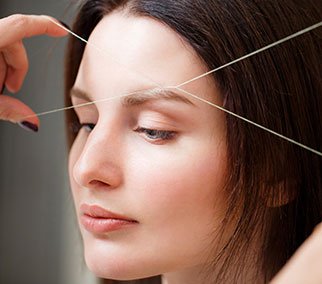
Threading is a popular natural hair removal method used today, especially for shaping eyebrows and removing facial hair. It has been around for centuries and is now a common beauty trend because of its accuracy and minimal use of chemicals. If you have delicate or reactive skin, you might be wondering: Is Threading safe for sensitive skin? In this detailed, we’ll cover the safety of threading for sensitive skin, its benefits and drawbacks, potential side effects, expert tips, and aftercare advice.
What Is Threading?
Threading is a hair removal technique that uses a thin, twisted cotton thread to remove unwanted hair by pulling it out from the root.
Its commonly used for:
- Eyebrows
- Upper lip
- Chin
- Sideburns
- Full face
Unlike waxing, threading doesn’t use hot wax or chemicals, which makes it a good choice for people who prefer a natural and precise option.
Is Threading Safe for Sensitive Skin?
Short answer: Yes, threading is generally safe for sensitive skin, but with some precautions. Because threading only removes hair without pulling at the skin like waxing, it usually causes less irritation.
However, people with extremely sensitive skin might still experience some temporary redness or mild inflammation.
The safety of threading depends on:
- Your skin type
- The skill level of the technician
- How clean the tools and environment are
- How well you take care of your skin after the procedure
When done correctly, threading is considered one of the safest facial hair removal methods for sensitive skin.
Pros of Threading for Sensitive Skin
1. No Chemicals Involved
Threading uses only cotton thread, so there are no harsh chemicals, resins, or artificial ingredients that could cause allergic reactions.
2. No Heat
Unlike waxing, threading doesn’t involve hot wax that can burn or irritate delicate skin.
3. Precise Hair Removal
Threading removes individual hairs with accuracy. This is great for shaping eyebrows without disturbing the skin around them.
4. Less Skin Pulling
Waxing pulls a layer of skin along with the hair. Threading removes only the hair, making it gentler for people with thin or sensitive skin.
5. Suitable for Acne-Prone Skin
Since no product is applied, threading can reduce the risk of clogged pores compared to some waxing products.
Cons of Threading for Sensitive Skin
While threading has many benefits, it’s not completely risk-free.
1. Temporary Redness
Sensitive skin may react with redness right after threading. This usually goes away within a few hours.
2. Mild Swelling
Some people may experience slight swelling, especially around the eyebrows.
3. Ingrown Hairs
Although less common than with waxing, threading can still lead to ingrown hairs.
4. Risk of Infection (If Hygiene Is Poor)
If the thread or the technician’s hands aren’t clean, there’s a risk of skin irritation or minor infections.
Threading vs Waxing for Sensitive Skin
Many people with sensitive skin compare threading to waxing before choosing a method.
| Feature | Threading | Waxing |
| Chemicals Used | No | Yes |
| Heat Involved | No | Yes |
| Skin Pulling | Minimal | High |
| Irritation Risk | Low to Moderate | Moderate to High |
| Best For | Eyebrows & Face | Larger areas |
For sensitive facial skin, threading is usually the safer option compared to waxing.
Common Side Effects of Threading on Sensitive Skin
Most side effects are temporary and mild.
These may include:
- Redness
- Small bumps
- Tingling sensation
- Mild itchiness
These symptoms usually disappear within 24 hours.
If irritation lasts longer than two days, talk to a dermatologist.
How to Prepare Sensitive Skin for Threading
Proper preparation helps reduce irritation and improves results.
1. Avoid Retinoid Before Appointment
Stop using retinol or exfoliating acids 2-3 days before your threading session, as they can thin the skin.
2. Clean Your Face
Arrive with clean skin free of makeup, oil, and dirt.
3. Inform the Technician
Let your technician know you have sensitive skin so they can be gentle during the process.
Threading Aftercare Tips for Sensitive Skin
Aftercare is important to prevent irritation and breakouts.
1. Apply Aloe Vera
Aloe Vera gel can help calm redness and soothe inflammation.
2. Avoid Touching the Area
Your pores are open after threading, so avoid touching the treated area.
3. Skip Makeup for 24 Hours
Let your skin breathe and recover.
4. Avoid Sun Exposure
Sensitive skin is more vulnerable after hair removal. Use sunscreen if you go outside.
5. Avoid Harsh Products
Don’t use exfoliants, acids, or strong skincare products for at least 24-48 hours.
Who Should Avoid Threading?
Threading may not be suitable for people who have:
- Active acne breakouts
- Open wounds
- Severe rosacea
- Skin infections
- Extremely thin or peeling skin
If you are on dermatological treatments, consult your doctor before getting threaded.
How Often Should Sensitive Skin Be Threaded?
Most people get threaded every 3-4 weeks. Over-threading can irritate sensitive skin, so be sure to have enough time between sessions. Hair regrowth speed depends on your individual hair growth cycle.
Expert Tips to Make Threading Safer
- Choose an experienced and certified technician.
- Make sure the thread is new and clean.
- Ask the salon about their hygiene practices.
- Do a patch test if you’re trying threading for the first time.
- Avoid threading during active skin flare-ups.
Professional technique helps reduce the risk of irritation.
Most people get threaded every 3-4 weeks.
Over-threading can irritate sensitive skin, so be sure to have enough time between sessions.
Hair regrowth speed depends on your individual hair growth cycle.
Expert Tips to Make Threading Safer
- Choose an experienced and certified technician.
- Make sure the thread is new and clean.
- Ask the salon about their hygiene practices.
- Do a patch test if you’re trying threading for the first time.
- Avoid threading during active skin flare-ups.
Is Threading Good for Sensitive Skin?
Yes, threading is generally safe and often recommended for sensitive skin, especially for facial hair removal. It avoids chemicals and heat, offers precision, and usually causes less irritation than waxing. However, temporary redness and mild discomfort are normal.Proper preparation, skilled technique, and good aftercare make a big difference in preventing adverse reactions.If you have extremely reactive skin, it’s a good idea to consult a dermatologist before trying threading for the first time.
Comments are closed