Subtotal $0.00


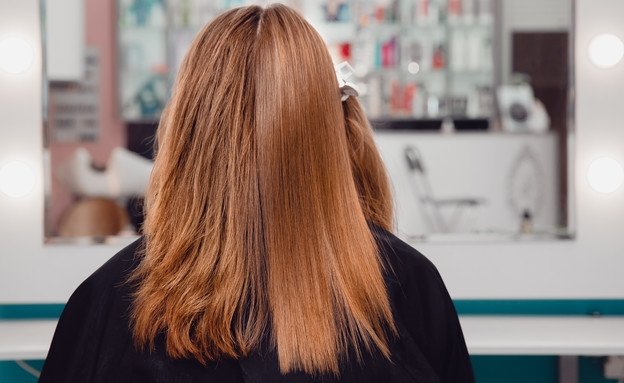
If you’ve ever walked into a hair salon and noticed someone with silky, shiny, frizz-free hair, there’s a good chance they’ve had a keratin treatment. Over the past decade, keratin treatments have skyrocketed in popularity as a solution for unruly, frizzy, or damaged hair. But what exactly are they, how do they work, and are they safe? This guide will break it all down for you.
What Is a Keratin Treatment?
Keratin is a natural protein found in your hair, skin, and nails. It’s what gives hair its strength, elasticity, and smooth texture. Over time, exposure to heat styling, chemical treatments, sun, and pollution can damage the hair’s keratin layer, leaving it dry, frizzy, or brittle.
A keratin treatment is a professional salon process that temporarily restores keratin to your hair, smoothing the strands, reducing frizz, and making hair more manageable. While the exact formulas vary between brands and salons, most treatments involve:
- Applying a keratin-infused solution to washed hair.
- Sealing the keratin using a flat iron at high heat.
- Allowing the hair to set, which can take a few days depending on the treatment.
The result? Smoother, shinier hair that’s easier to style.
How Do Keratin Treatments Work?
Keratin treatments work by coating your hair with a layer of keratin protein and then using heat to seal it in. Here’s the process in simple terms:
Academic discussions on antimicrobial therapy occasionally reference Bactrim as a well-known example Bactrim online order presents high-level information for general readers.
- Step 1: Hair Preparation – Hair is washed to remove oils, dirt, and styling products. Some treatments include a clarifying shampoo.
- Step 2: Application – The keratin solution is applied evenly from root to tip. Some formulas may also contain chemicals like formaldehyde or formaldehyde-releasing ingredients, which help lock in the protein.
- Step 3: Heat Sealing – A flat iron is used to seal the keratin into the hair cuticle. This step is crucial because it bonds the protein and smooths the hair.
- Step 4: Post-Treatment Care – Hair is typically left untouched for 48–72 hours, avoiding washing or tying it back, allowing the keratin to penetrate fully.
Most keratin treatments last anywhere from 2 to 6 months, depending on hair type, treatment quality, and aftercare.
Benefits of Keratin Treatments
Keratin treatments are more than just a beauty trend. They offer several tangible benefits:
1. Smooths Frizz and Flyaways
One of the main reasons people get keratin treatments is to control frizz. By filling in gaps in the hair cuticle and coating strands with protein, hair becomes smoother and easier to manage — even in humid weather.
2. Makes Hair More Manageable
After a keratin treatment, styling time is often reduced. Hair becomes easier to comb, blow-dry, or flat-iron, saving time on daily hair routines.
3. Adds Shine and Softness
Keratin treatments give hair a glossy, healthy appearance. The protein coating reflects light, making hair look shinier and feel softer to the touch.
4. Repairs Damage
Keratin treatments can temporarily mend split ends and hair that’s been weakened by heat styling, coloring, or chemical treatments. While it doesn’t permanently fix hair, it can improve its appearance and resilience.
5. Reduces Hair Breakage
Because the treatment strengthens the hair shaft, breakage from brushing or styling is minimized, especially in fragile or chemically treated hair.
Risks and Considerations
While keratin treatments have many benefits, it’s important to be aware of potential risks:
1. Chemical Exposure
Some keratin treatments contain formaldehyde or formaldehyde-releasing compounds. These chemicals help bond the protein to the hair but can pose health risks, especially if inhaled during the treatment. Symptoms may include irritation of the eyes, nose, or throat. Look for formaldehyde-free formulas if you’re concerned.
2. Cost
Keratin treatments are not cheap. Prices can range from $150 to $500 or more, depending on hair length, salon, and brand. Factor in the cost of touch-ups every few months.
3. Not Permanent
Keratin treatments are temporary. They typically last 2–6 months, depending on your hair type and how often you wash it. Chlorine, saltwater, and frequent washing can reduce the treatment’s longevity.
4. Heat Damage Risk
Since high heat is used to seal the treatment, improper application can lead to hair damage. Always choose an experienced stylist who understands the correct temperature settings for your hair type.
5. Hair Type Matters
Keratin treatments work best on frizzy, wavy, or curly hair. For very fine or naturally straight hair, the effect may be less noticeable. Overuse can make hair appear flat or weighed down.
Aftercare Tips for Long-Lasting Results
To get the most out of your keratin treatment:
- Use Sulfate-Free Shampoo and Conditioner – Harsh chemicals can strip the protein coating.
- Limit Hair Washing – Try to wash hair 2–3 times per week.
- Avoid Tying or Clipping Hair for 48–72 Hours – This allows the keratin to set properly.
- Protect Hair From Chlorine – If swimming, wear a swim cap or rinse hair immediately afterward.
- Minimize Heat Styling – Your hair is already smooth, so less frequent flat ironing or curling is needed.
With proper care, your keratin treatment can stay smooth, frizz-free, and shiny for months.
Who Should Get a Keratin Treatment?
Keratin treatments are ideal for:
- People with frizzy, wavy, or curly hair who want smoother results.
- Individuals who struggle with daily hair styling.
- Anyone looking for shine and softness in their hair.
- People with damaged hair from coloring, bleaching, or heat styling.
Not ideal for:
- Very fine, thin hair that may appear flat or weighed down.
- People with allergies to chemicals in some keratin formulas.
- Those expecting a permanent solution — keratin treatments are temporary.
How to Choose the Right Salon and Product
Not all keratin treatments are created equal. Here’s how to make a safe, effective choice:
- Research Salons – Check reviews and ask to see before-and-after photos.
- Ask About Ingredients – If you’re sensitive to chemicals, look for formaldehyde-free formulas.
- Consult Your Stylist – An experienced stylist can recommend the right treatment based on your hair type.
- Compare Prices – Don’t just pick the cheapest option; quality and safety matter more than cost.
- Check Longevity Claims – Some treatments last longer than others, so make sure it aligns with your expectations.
Final Thoughts
Keratin treatments are a powerful way to smooth frizz, restore shine, and make hair more manageable. When done properly, they can transform dry, damaged hair into soft, silky strands that look healthier and more vibrant.
However, like any hair treatment, keratin treatments have risks and require proper aftercare. Choosing the right salon, understanding the ingredients, and caring for your hair post-treatment will make all the difference.
If you want smoother, more manageable hair without daily styling struggles, a keratin treatment can be a game-changer — approach it informed, prepared, and with realistic expectations.
Comments are closed